
Unlock Peak Recovery with Science-Backed Nutrition
Discover how protein and essential vitamins accelerate muscle repair, boost energy, and optimise your recovery journey with evidence-based guidance from Nutrient Recovery Path.
Recovery Impact Numbers
Understanding the science behind effective recovery nutrition
Optimal Protein Per Serving
Recommended protein intake for efficient muscle protein synthesis
Peak Recovery Window
Critical timeframe for nutrient delivery to muscles
Essential Amino Acids
Building blocks required for complete protein function
Key Recovery Vitamins
B-complex and other vitamins supporting energy metabolism
Why Protein Matters for Muscle Repair
Protein is the foundation of muscle recovery. When you exercise, muscle fibres experience microscopic tears. Amino acids from protein repair these fibres, making them stronger and more resilient. Without adequate protein intake during your recovery window, your body cannot optimally rebuild muscle tissue.
The science is clear: consuming protein post-exercise triggers muscle protein synthesis, the biological process that builds and repairs muscle. Quality sources include lean meats, fish, dairy, eggs, legumes, and plant-based alternatives. Timing and consistency matter as much as quantity.
Protein also supports immune function, hormone production, and enzyme activity—all critical for comprehensive recovery beyond just muscle repair.
Learn More About Protein Recovery
Essential Vitamin Categories for Recovery
Each vitamin plays a distinct role in optimising your recovery process
B-Complex Vitamins
Essential for converting food into energy. B6, B12, and folate support amino acid metabolism and red blood cell formation, delivering oxygen to recovering muscles efficiently.
Antioxidants (Vitamins C & E)
Combat exercise-induced oxidative stress and inflammation. These vitamins protect muscle cells from damage and support the immune system during intense training phases.
Vitamin D & Minerals
Vitamin D regulates calcium absorption, essential for muscle contraction and bone health. Magnesium and zinc facilitate protein synthesis and reduce inflammation post-exercise.
Iron & Copper
Critical for oxygen transport and haemoglobin production. Proper iron levels prevent fatigue and ensure muscles receive adequate oxygen for optimal recovery performance.
Vitamin A & Beta-Carotene
Support tissue repair and immune function. These fat-soluble vitamins promote cell turnover and reduce inflammation, accelerating the healing of muscle microtrauma.
Electrolytes & Hydration
Sodium, potassium, and chloride regulate fluid balance and muscle function. Proper electrolyte management prevents cramping and supports efficient nutrient delivery during recovery.
Your 4-Step Recovery Protocol
A science-backed framework for optimising nutrition and recovery outcomes
Immediate Post-Exercise (0-30 mins)
Consume fast-digesting protein (20-30g) with simple carbohydrates. A protein shake, yoghurt parfait, or chicken sandwich initiates muscle protein synthesis when your body is most receptive to nutrient uptake.
Early Recovery (1-4 hours)
Eat a balanced meal with quality protein, whole grains, and colourful vegetables rich in antioxidants. Include B-vitamins and minerals to support energy restoration and reduce exercise-induced inflammation.
Extended Recovery (4-24 hours)
Maintain consistent protein intake (25-30g per meal) and ensure adequate micronutrient consumption through varied whole foods. Iron, vitamin D, and magnesium are particularly important during this phase.
Long-Term Adaptation (24-72 hours)
Support continued muscle protein synthesis with sustained quality nutrition. Prioritise sleep, hydration, and consistent micronutrient intake to maximise training adaptations and prepare for subsequent sessions.
Building Your Personal Recovery Nutrition Plan
Every athlete's recovery needs differ based on training intensity, body composition, sport, and individual physiology. A personalised approach considers your specific goals—whether endurance, strength, or functional fitness—and adapts nutrition accordingly.
Key considerations include: your total daily energy expenditure, body weight for protein calculation (typically 1.2-2.0g per kilogram for athletes), training frequency, and current micronutrient status. Tracking how you feel—energy levels, soreness, performance—helps refine your strategy over time.
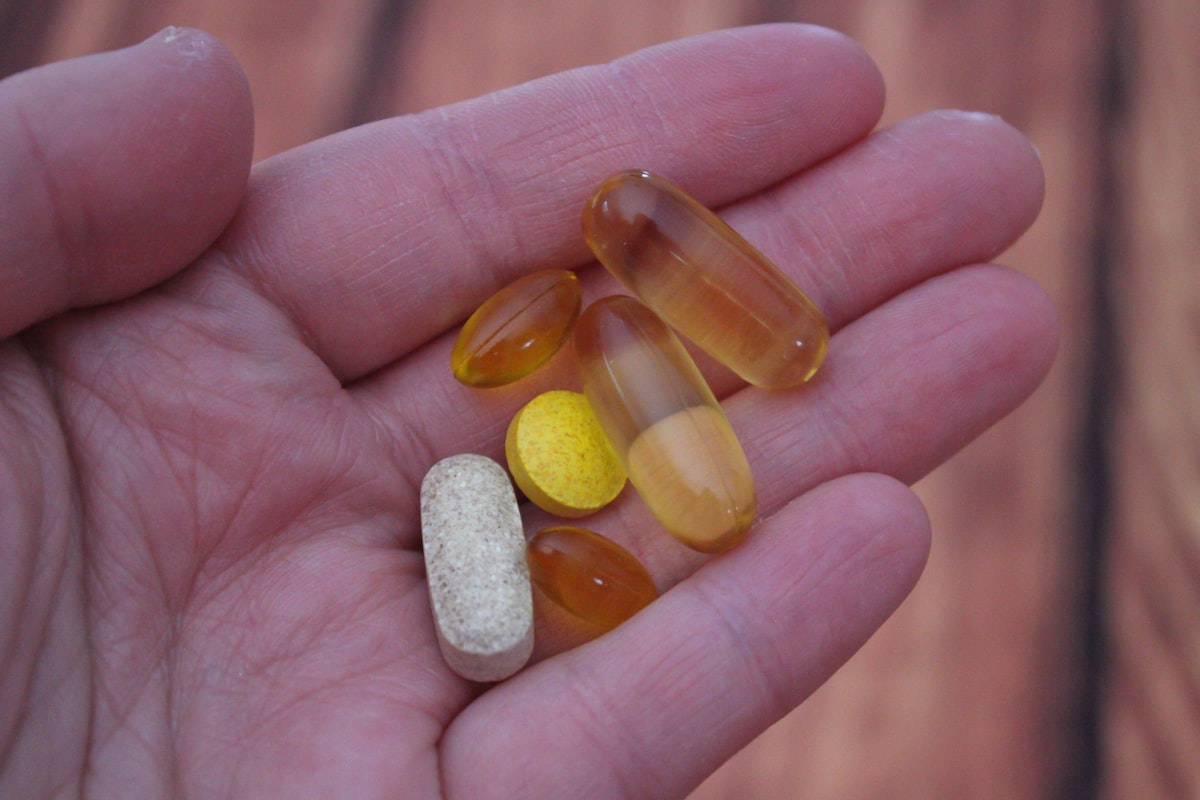
The most effective recovery plan is one you can sustain. Focus on whole foods when possible, while strategic supplements fill gaps. Consistency matters more than perfection; building sustainable nutrition habits yields superior long-term results.
Explore Personalisation StrategiesWhy Choose Nutrient Recovery Path
Our evidence-based approach to recovery nutrition education
Science-Backed Content
All our articles and guides are informed by peer-reviewed research and expert analysis. We translate complex nutrition science into actionable, practical guidance for athletes and fitness enthusiasts.
Athlete-Focused
We understand the unique recovery demands of different training styles—endurance, strength, HIIT, and sport-specific protocols. Our content addresses real challenges athletes face during recovery phases.
Progressive Learning
Start with fundamentals or dive into advanced topics. Our editorial structure guides you from basic recovery principles through sophisticated nutritional strategies and supplementation decisions.
Community Insights
Our readers share real-world experiences and results. Learn from athletes who've optimised their recovery nutrition and understand what works across different training contexts and body types.
Practical Strategies
Beyond theory, we provide meal ideas, supplement guidance, shopping lists, and implementation plans. Every article includes concrete steps you can apply immediately to your recovery routine.
Responsive Support
Our editorial team actively engages with readers. Send us your recovery questions, article feedback, or topic requests. We're committed to addressing your nutritional recovery concerns thoroughly.
Athlete Recovery Stories
Real experiences from our community members
"After reading Nutrient Recovery Path's protein timing guide, I completely restructured my post-workout nutrition. Following the guide's principles helped me feel more intentional about my post-workout nutrition, which supported my recovery. The science-backed approach finally made recovery feel intentional rather than random. I've shared these articles with my entire training group."
James Mitchell
Manchester, United Kingdom
"As an endurance athlete, I struggled with chronic fatigue despite adequate training. The micronutrient deficiency article was revelatory—it identified my iron and vitamin D gaps. Addressing these through the recommended whole foods transformed my energy levels and performance consistency. This platform genuinely understands athlete needs."
Sarah Chen
London, United Kingdom
"I'm returning to running after injury and the recovery protocol was invaluable. Understanding the 4-step framework gave me confidence in my nutrition choices during rehabilitation. The honest discussion of supplementation—when they help versus marketing hype—helped me avoid unnecessary spending. Clear, practical, evidence-based."
David Thompson
Edinburgh, United Kingdom
Common Recovery Questions Answered
Quick answers to frequent recovery nutrition inquiries
Most athletes benefit from 1.2–2.0 grams of protein per kilogram of body weight daily, distributed across 3–5 meals. For a 70kg person, that's roughly 84–140g daily, or 20–30g per meal. This supports muscle protein synthesis without excess. Individual needs vary by training intensity, goals, and current body composition. Endurance athletes typically need the lower end; strength athletes the higher.
Start Your Recovery Journey Today
Explore our comprehensive recovery nutrition resources, discover evidence-based strategies, and connect with a community of athletes optimising their performance through informed nutrition choices.
Questions about our content? Contact our editorial team